







FAMILIENURLAUB
EIN FAMILIENURLAUB IN ÄGYPTEN WIRD NICHT KOMPLETT SEIN, WENN SIE DIESE AUFREGENDEN ORTE NICHT BESUCHEN.
Lass dich inspirieren

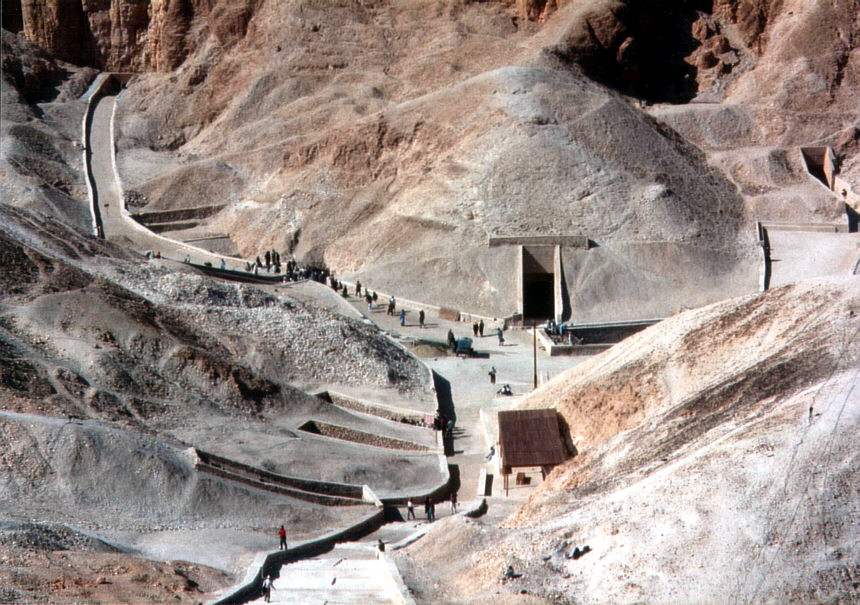
The Valley of the Kings ( ), the Valley of the gates of the Kings ( ), is a valley in Egypt where, for a period of nearly 500 years from the 16th to 11th century BC, tombs were constructed for the Pharaohs and powerful nobles of the New Kingdom (the Eighteenth to the Twentieth Dynasties of Ancient Egypt). The valley stands on the west bank of the Nile, opposite Thebes (modern Luxor), within the heart of the Theban Necropolis. The wadi consists of two valleys, East Valley (where the majority of the royal tombs are situated) and West Valley. With the 2005 discovery of a new chamber (KV63), and the 2008 discovery of two further tomb entrances, the valley is known to contain 63 tombs and chambers (ranging in size from KV54, a simple pit, to KV5, a complex tomb with over 120 chambers). It was the principal burial place of the major royal figures of the Egyptian New Kingdom, as well as a number of privileged nobles. The royal tombs are decorated with scenes from Egyptian mythology and give clues to the beliefs and funerary rituals of the period. Almost all of the tombs seem to have been opened and robbed in antiquity, but they still give an idea of the opulence and power of the Pharaohs. This area has been a focus of archaeological and egyptological exploration since the end of the eighteenth century, and its tombs and burials continue to stimulate research and interest. In modern times the valley has become famous for the discovery of the tomb of Tutankhamun (with its rumours of the Curse of the Pharaohs), and is one of the most famous archaeological sites in the world. In 1979, it became a World Heritage Site, along with the rest of the Theban Necropolis. Exploration, excavation and conservation continues in the valley, and a new tourist centre has recently been opened.
