





FAMILIENURLAUB
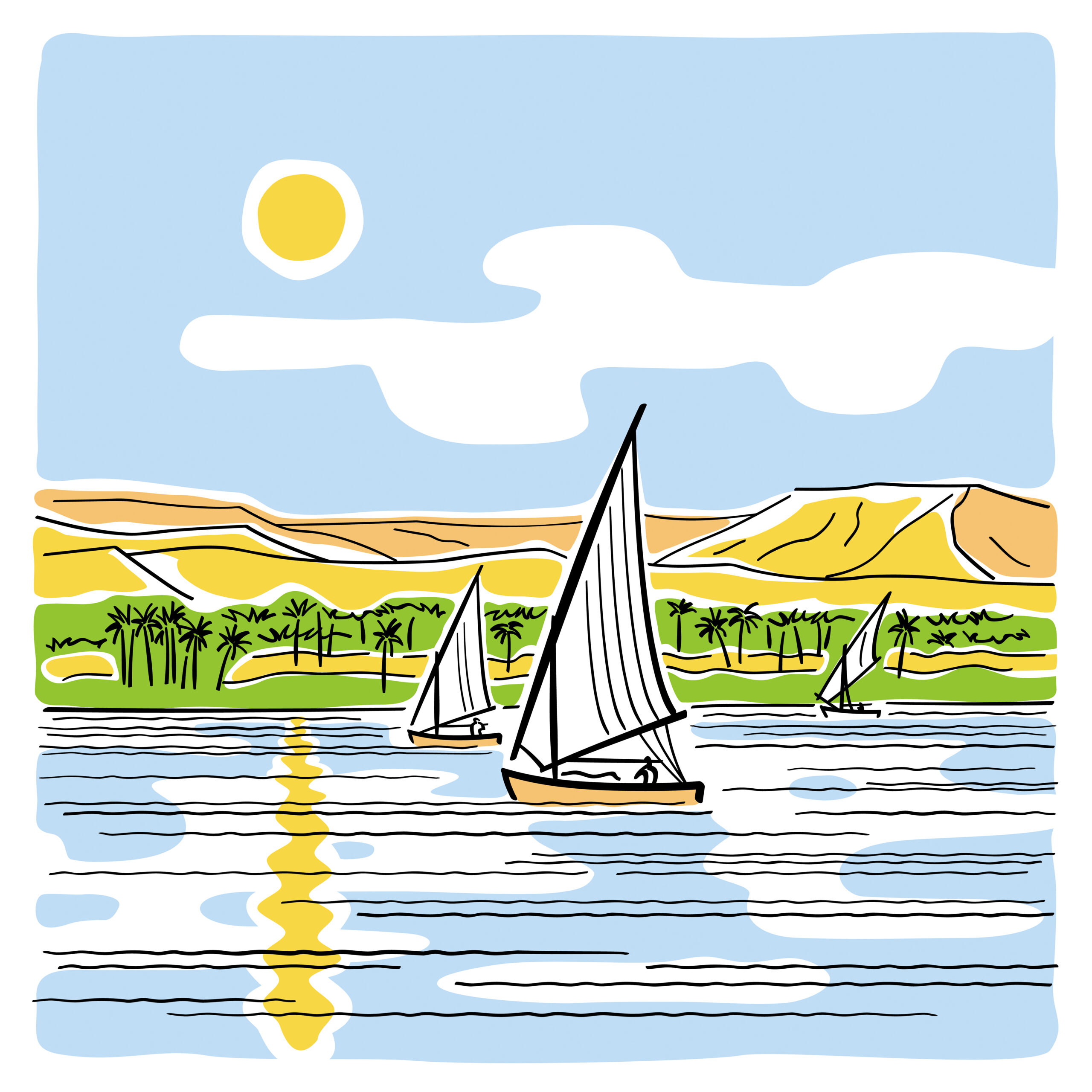
EIN FAMILIENURLAUB IN ÄGYPTEN WIRD NICHT KOMPLETT SEIN, WENN SIE DIESE AUFREGENDEN ORTE NICHT BESUCHEN.
Lass dich inspirieren

Ramesses II (variously transliterated “Rameses” () or “Ramses” ( or ); born ; died July or August 1213 BC; reigned 1279–1213 BC), also known as Ramesses the Great, was the third pharaoh of the Nineteenth Dynasty of Egypt. He is often regarded as the greatest, most celebrated, and most powerful pharaoh of the Egyptian Empire. His successors and later Egyptians called him the “Great Ancestor”. Ramesses II led several military expeditions into the Levant, reasserting Egyptian control over Canaan. He also led expeditions to the south, into Nubia, commemorated in inscriptions at Beit el-Wali and Gerf Hussein. At age fourteen, Ramesses was appointed Prince Regent by his father Seti I. He is believed to have taken the throne in his late teens and is known to have ruled Egypt from 1279 BC to 1213 BC Estimates of his age at death vary; 90 or 91 is considered most likely. Ramesses II celebrated an unprecedented 14 sed festivals (the first held after thirty years of a pharaoh’s reign, and then every three years) during his reign—more than any other pharaoh. On his death, he was buried in a tomb in the Valley of the Kings; his body was later moved to a royal cache where it was discovered in 1881, and is now on display in the Cairo Museum. The early part of his reign was focused on building cities, temples and monuments. He established the city of Pi-Ramesses in the Nile Delta as his new capital and main base for his campaigns in Syria. He is also known as Ozymandias in the Greek sources, from a transliteration into Greek of a part of Ramesses’ throne name, , “The justice of Rê is powerful – chosen of Rê”.
