





FAMILIENURLAUB
EIN FAMILIENURLAUB IN ÄGYPTEN WIRD NICHT KOMPLETT SEIN, WENN SIE DIESE AUFREGENDEN ORTE NICHT BESUCHEN.
Lass dich inspirierenWie weit ist Luxor von Hurghada entfernt?
Die Entfernung zwischen Luxor und Hurghada beträgt 209 km. Die Straßenentfernung beträgt 288 km.
Hat der Flughafen Hurghada WLAN?
Am Flughafen Hurghada ist unbegrenztes kostenloses WLAN verfügbar.
Wie weit ist Gizeh von Hurghada entfernt?
Die Entfernung zwischen Hurghada und Gizeh beträgt 398 km. Die Straßenlänge beträgt 464,8 km.
El Gouna
El Gouna (, "die Lagune") ist ein Ferienort, der von Sawiris... weiterlesen
Abu simbel
Die Abu Simbel Tempel sind zwei massive Felsen... weiterlesen
Berenice
Berenice oder Berenice Troglodytica (griechisch: ), auch bekannt als Baranis und... weiterlesen
EIN FAMILIENURLAUB IN ÄGYPTEN WIRD NICHT KOMPLETT SEIN, WENN SIE DIESE AUFREGENDEN ORTE NICHT BESUCHEN.
Lass dich inspirierenWER HAT NICHT DAVON GETRÄUMT, ÄGYPTEN ALS ALLEINREISENDER ZU BESUCHEN?
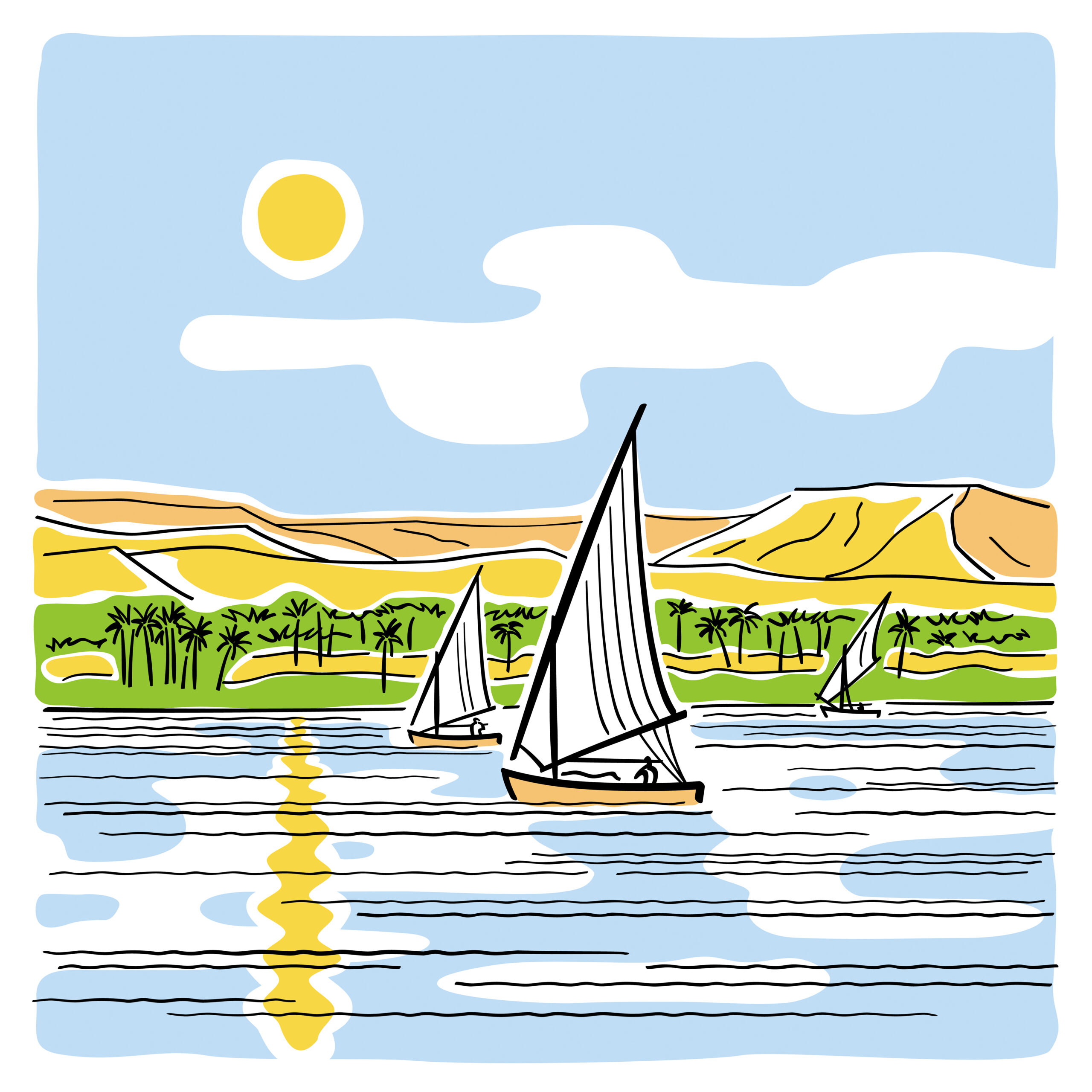
Vom Schnorcheln im klaren blauen Wasser des Roten Meeres über das Starren in der Unendlichkeit der Wüste bis hin zur Nilkreuzfahrt.
Lass dich inspirierenURLAUB IN ÄGYPTEN MIT FREUNDEN
Ist fantastisch, weil sie das angenehme Wetter der Küstenstädte des Roten Meeres genießen oder etwas über die alte Kultur Ägyptens erfahren können, indem sie die Tempel und kolossalen Stätten besuchen, die im ganzen Land verteilt sind.
Lass dich inspirierenES GIBT VIELE ORTE, AN DENEN MAN EINEN PAARURLAUB IN ÄGYPTEN VERBRINGEN KANN.
Wenn es darum geht, Liebe auszudrücken, braucht es manchmal mehr als Worte!
Lass dich inspirierenErkunde die unglaublichsten Orte Ägyptens bequem von zu Hause aus mit deiner Oculus Quest 2
Lass dich inspirierenIsma’il Pasha ( Ismā‘īl Bāshā, Turkish: İsmail Paşa), known as Ismail the Magnificent (December 31, 1830 – March 2, 1895), was the Khedive of Egypt and Sudan from 1863 to 1879, when he was removed at the behest of the United Kingdom. Sharing the ambitious outlook of his grandfather, Muhammad Ali Pasha, he greatly modernized Egypt and Sudan during his reign, investing heavily in industrial and economic development, urbanisation, and the expansion of the country’s boundaries in Africa. His philosophy can be glimpsed at in a statement that he made in 1879: “My country is no longer in Africa; we are now part of Europe. It is therefore natural for us to abandon our former ways and to adopt a new system adapted to our social conditions”. In 1867 he also secured Ottoman and international recognition for his title of Khedive (Viceroy) in preference to Wāli (Governor) which was previously used by his predecessors in the Ottoman Eyalet of Egypt and Sudan (1517–1867). However, Isma’il’s policies placed the Ottoman Khedivate of Egypt and Sudan (1867–1914) in severe debt, leading to the sale of the country’s shares in the Suez Canal Company to the United Kingdom, and his ultimate toppling from power at British hands.