





FAMILIENURLAUB
EIN FAMILIENURLAUB IN ÄGYPTEN WIRD NICHT KOMPLETT SEIN, WENN SIE DIESE AUFREGENDEN ORTE NICHT BESUCHEN.
Lass dich inspirierenWie weit ist Luxor von Hurghada entfernt?
Die Entfernung zwischen Luxor und Hurghada beträgt 209 km. Die Straßenentfernung beträgt 288 km.
Hat der Flughafen Hurghada WLAN?
Am Flughafen Hurghada ist unbegrenztes kostenloses WLAN verfügbar.
Wie weit ist Gizeh von Hurghada entfernt?
Die Entfernung zwischen Hurghada und Gizeh beträgt 398 km. Die Straßenlänge beträgt 464,8 km.
El Gouna
El Gouna (, "die Lagune") ist ein Ferienort, der von Sawiris... weiterlesen
Abu simbel
Die Abu Simbel Tempel sind zwei massive Felsen... weiterlesen
Berenice
Berenice oder Berenice Troglodytica (griechisch: ), auch bekannt als Baranis und... weiterlesen
EIN FAMILIENURLAUB IN ÄGYPTEN WIRD NICHT KOMPLETT SEIN, WENN SIE DIESE AUFREGENDEN ORTE NICHT BESUCHEN.
Lass dich inspirierenWER HAT NICHT DAVON GETRÄUMT, ÄGYPTEN ALS ALLEINREISENDER ZU BESUCHEN?
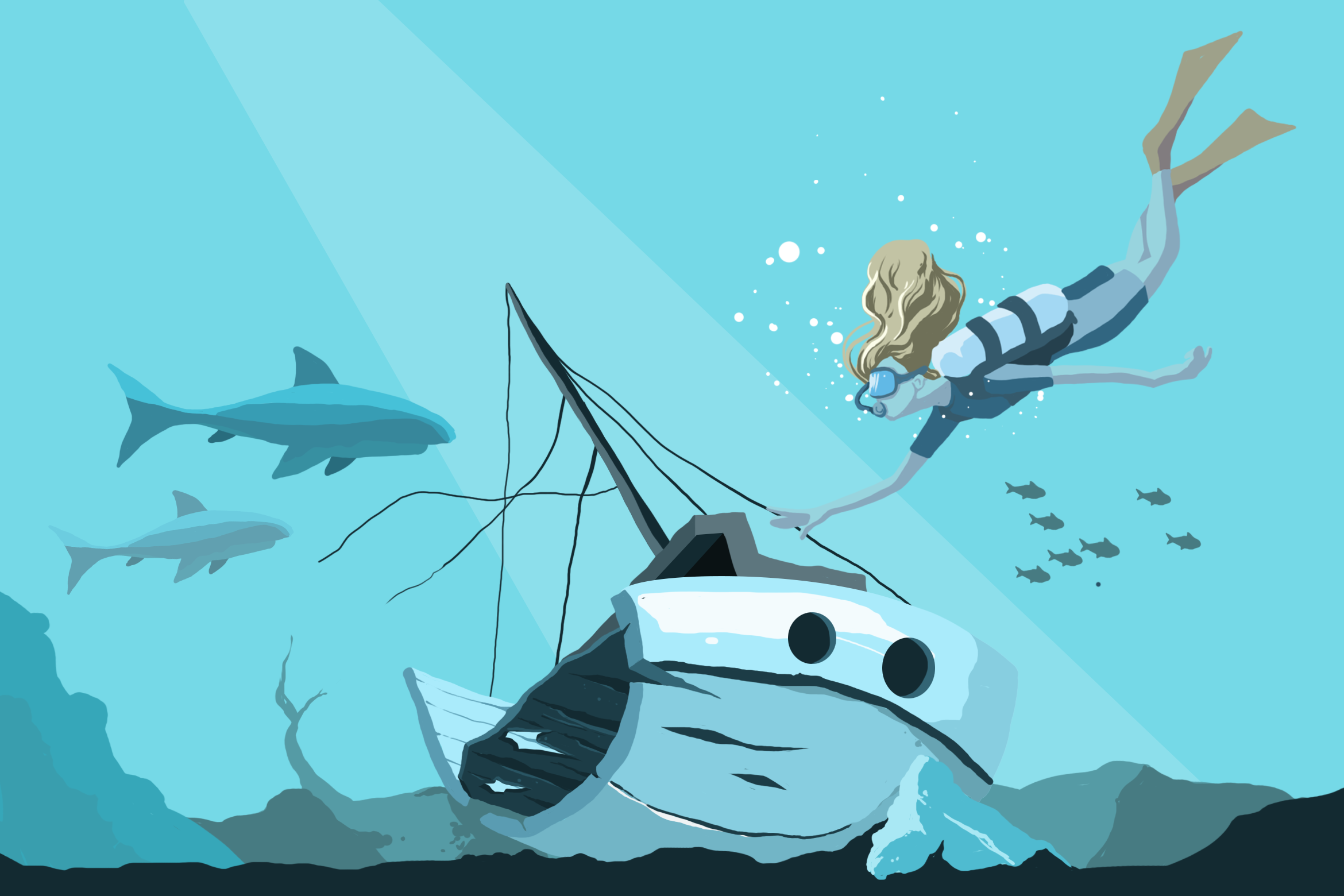
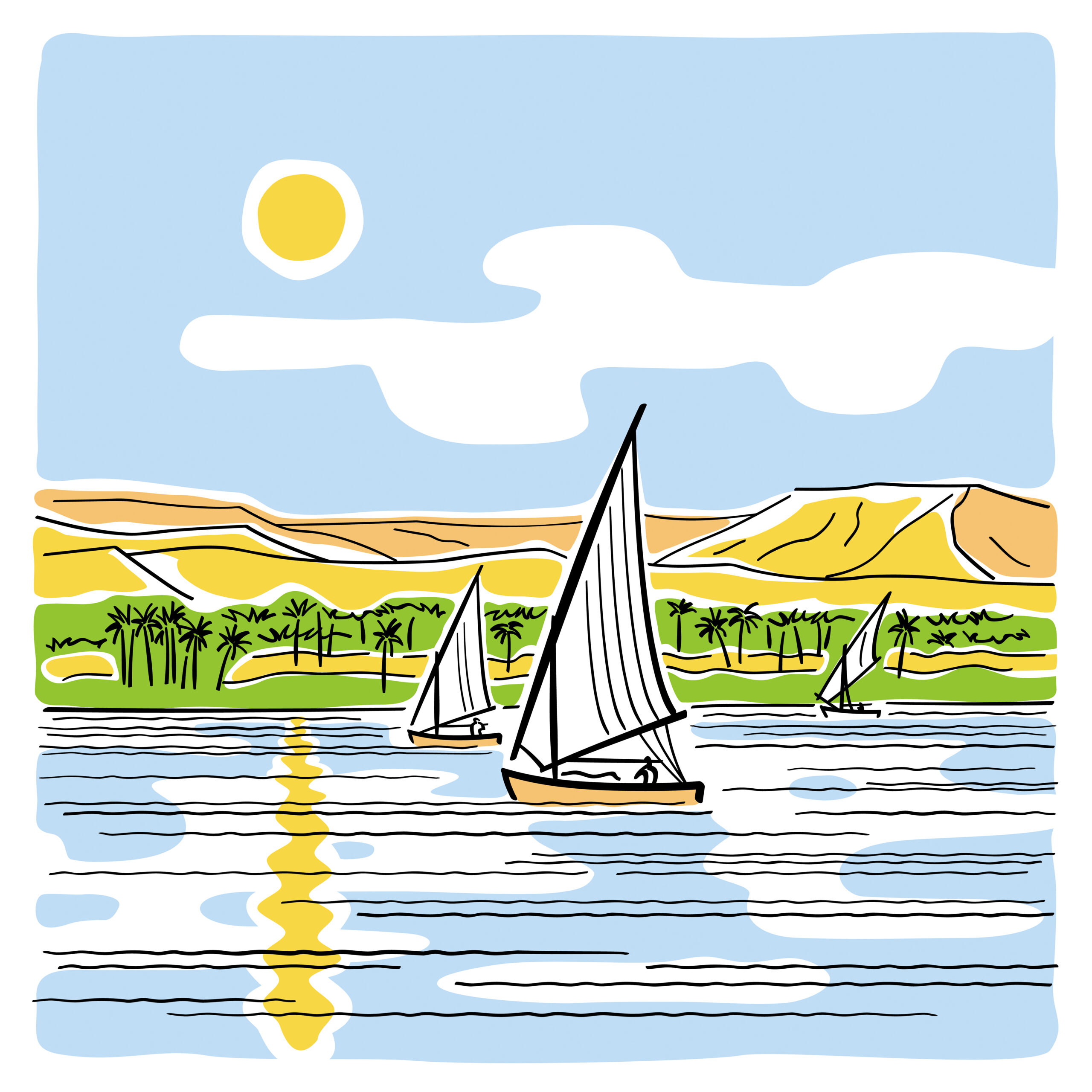
Vom Schnorcheln im klaren blauen Wasser des Roten Meeres über das Starren in der Unendlichkeit der Wüste bis hin zur Nilkreuzfahrt.
Lass dich inspirierenURLAUB IN ÄGYPTEN MIT FREUNDEN
Ist fantastisch, weil sie das angenehme Wetter der Küstenstädte des Roten Meeres genießen oder etwas über die alte Kultur Ägyptens erfahren können, indem sie die Tempel und kolossalen Stätten besuchen, die im ganzen Land verteilt sind.
Lass dich inspirierenES GIBT VIELE ORTE, AN DENEN MAN EINEN PAARURLAUB IN ÄGYPTEN VERBRINGEN KANN.
Wenn es darum geht, Liebe auszudrücken, braucht es manchmal mehr als Worte!
Lass dich inspirierenErkunde die unglaublichsten Orte Ägyptens bequem von zu Hause aus mit deiner Oculus Quest 2
Lass dich inspirierenA wetsuit is a garment, usually made of foamed neoprene, which is worn by surfers, divers, windsurfers, canoeists, and others engaged in water sports, providing thermal insulation, abrasion resistance and buoyancy. The insulation properties depend on bubbles of gas enclosed within the material, which reduce its ability to conduct heat. The bubbles also give the wetsuit a low density, providing buoyancy in water. Hugh Bradner, a University of California, Berkeley physicist invented the modern wetsuit in 1952. Wetsuits became available in the mid-1950s and evolved as the relatively fragile foamed neoprene was first backed, and later sandwiched, with thin sheets of tougher material such as nylon or later Lycra/Spandex. Improvements in the way joints in the wetsuit were made by gluing, taping and blindstitching, helped the suit to remain waterproof and reduce flushing, the replacement of water trapped between suit and body by cold water from the outside. Further improvements in the seals at the neck, wrists and ankles produced a suit known as a “semi-dry”. Different types of wetsuit are made for different uses and for different temperatures. Suits range from a thin (2 mm or less) “shortie”, covering just the torso, to a full 8 mm semi-dry, usually complemented by neoprene boots, gloves and hood.